

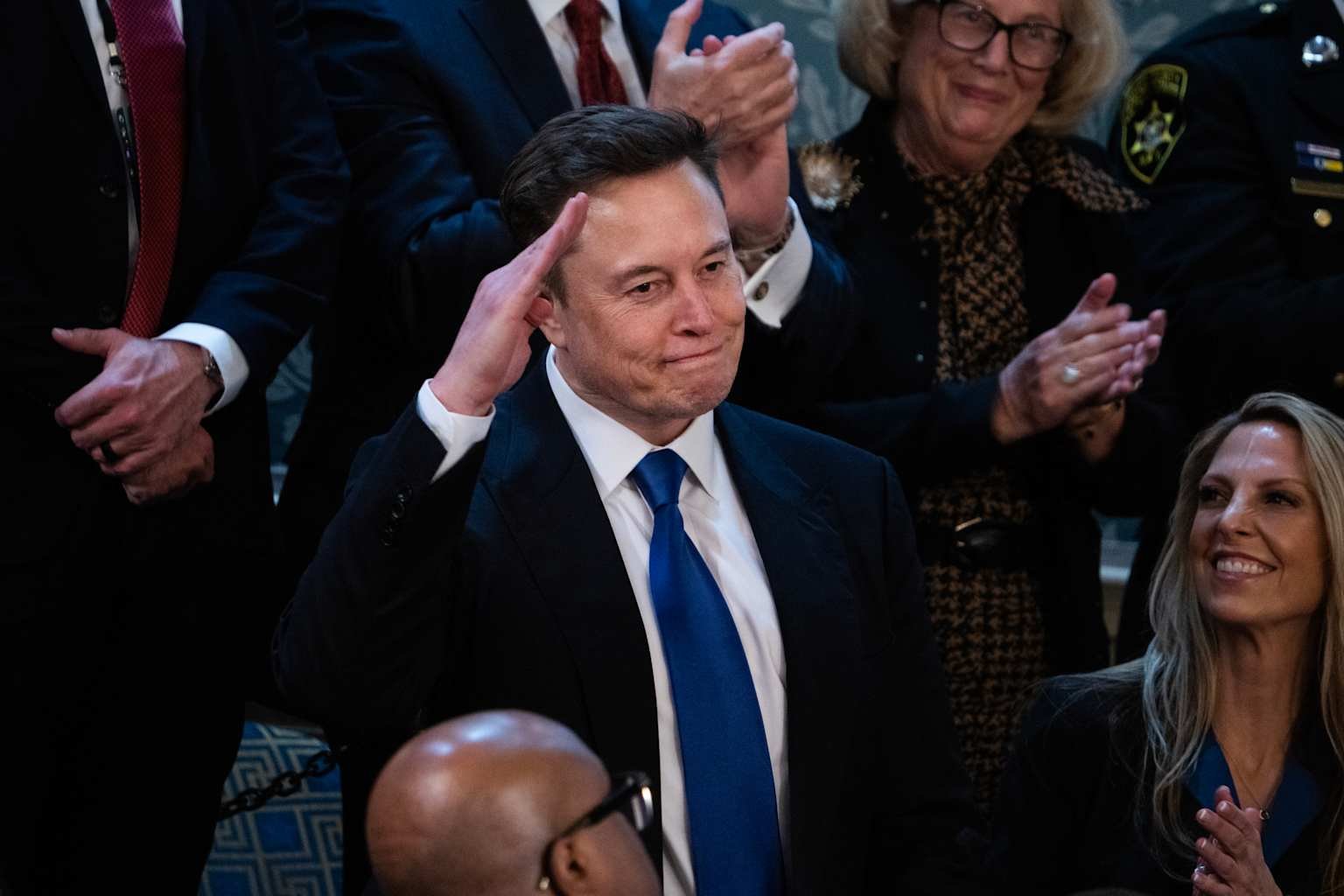
Elon Musk, a visionary entrepreneur and innovator, has built a remarkable career spanning multiple industries, from pioneering online payment systems to revolutionizing electric vehicles and space exploration. As the co-founder and CEO of companies like Tesla, SpaceX, and Neuralink, Musk has consistently pushed the boundaries of technology and business, reshaping industries and leaving an indelible mark on the modern world.
Tesla’s Electric Vehicle Revolution
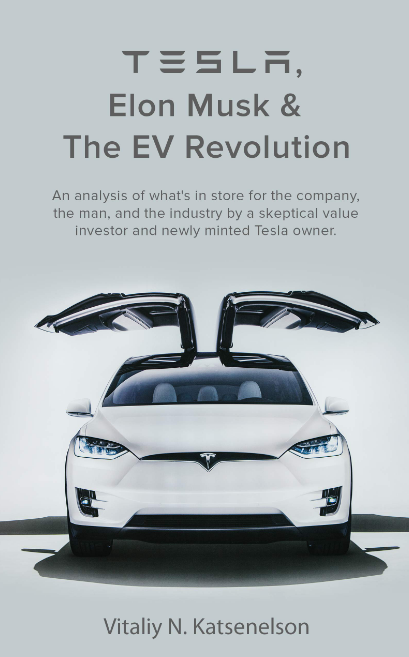
Tesla’s electric vehicle revolution began with the introduction of the Roadster in 2008, which proved that electric cars could offer high performance and long range. The company’s breakthrough came with the Model S in 2012, redefining luxury electric vehicles and challenging traditional automakers. Tesla’s innovations extended beyond vehicle design to include over-the-air software updates, an extensive Supercharger network, and advanced battery technology.
Key aspects of Tesla’s impact on the automotive industry include:
- Mainstreaming electric vehicles by combining performance, range, and eco-friendliness
- Forcing traditional automakers to accelerate their EV development programs
- Pioneering direct-to-consumer sales and eliminating the need for dealerships
- Developing proprietary battery technology and manufacturing processes
- Inspiring new entrants in the EV market and fostering competition
Tesla’s success has not only transformed the automotive landscape but also accelerated the global transition towards sustainable transportation.
SpaceX and Reusable Rockets
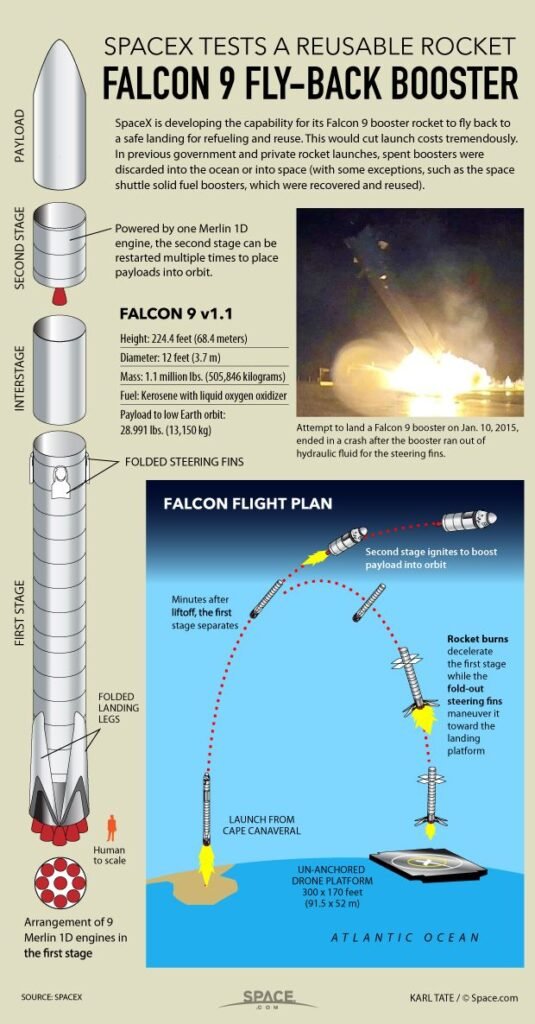
SpaceX has revolutionized space technology with its development of reusable rockets, most notably the Falcon 9 and Starship. The company’s breakthrough came in October 2024 when it successfully “caught” the massive first-stage booster of its Starship rocket using mechanical arms, a feat described by Elon Musk as “science fiction without the fiction”. This innovation, along with the ability to land and reuse first-stage rocket boosters, has dramatically lowered launch costs, making space more accessible for both governments and private companies.
Key achievements and impacts of SpaceX’s reusable rocket technology include:
- Cost reduction: Launch costs have dropped to as low as $3,059 per kilogram to Low Earth Orbit, with potential for further reductions to under $30 per kilogram with 100 reuses.
- Environmental benefits: Reusable rockets minimize discarded hardware in Earth’s orbit and oceans, reducing space debris and environmental impact.
- Rapid reusability: SpaceX envisions a future where boosters can be inspected, refueled, and prepared for their next mission within hours.
- Industry transformation: SpaceX’s success has forced other companies and space agencies to accelerate their own reusable rocket development programs.
These advancements have positioned SpaceX at the forefront of the space industry, paving the way for more ambitious missions to the Moon, Mars, and beyond.
Neuralink’s Brain-Machine Interfaces
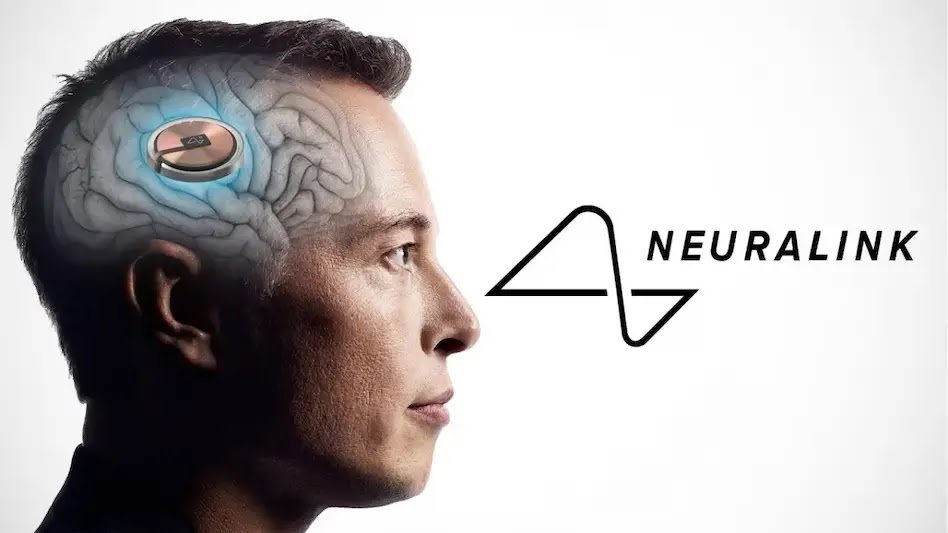
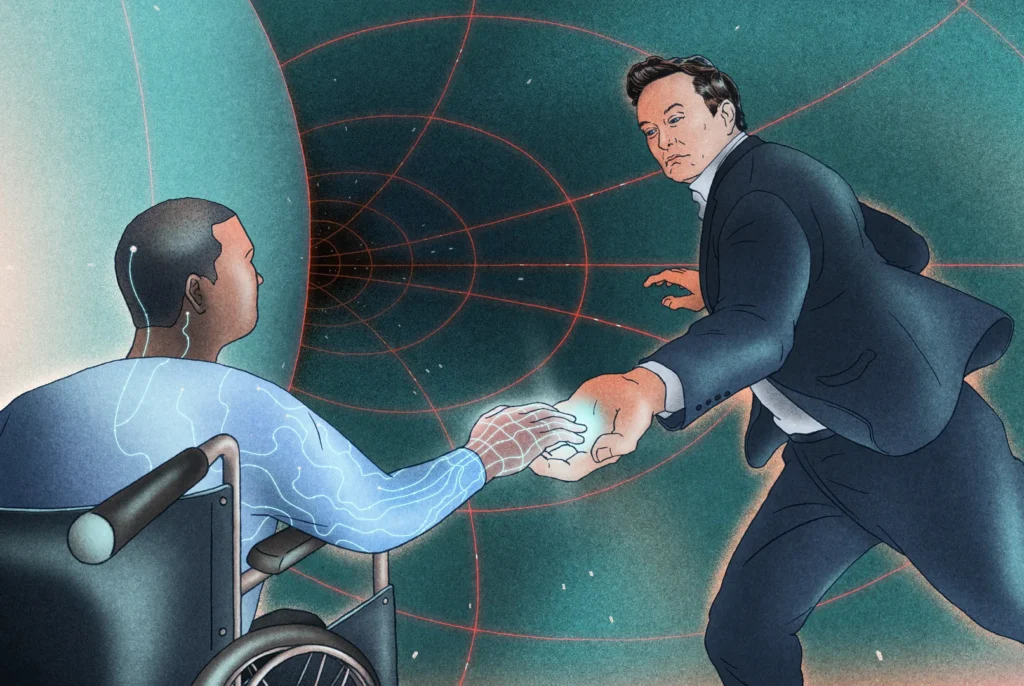
Neuralink, founded by Elon Musk, is developing cutting-edge brain-machine interface (BMI) technology aimed at revolutionizing how humans interact with computers and potentially treating neurological conditions. The company’s innovative approach involves implanting thousands of tiny electrodes into the brain to record and stimulate neural activity with unprecedented precision. Neuralink’s device, about the size of a coin, is surgically inserted into the skull and connected to flexible threads containing electrodes that interface directly with neurons.
Key features and potential applications of Neuralink’s BMI technology include:
- High-density electrode arrays with up to 3,072 electrodes across 96 threads, enabling more detailed neural signal recording.
- A custom neurosurgical robot for precise and rapid implantation of electrode threads.
- Wireless data transmission and a smartphone app for user interface5
- Potential medical applications such as restoring motor function in paralyzed individuals and treating neurological disorders.
- Future possibilities for enhancing human cognition and enabling direct brain-to-brain communication.
While Neuralink’s technology holds immense promise, it also raises ethical considerations and questions about the long-term implications of merging human brains with machines.
Political Overreach
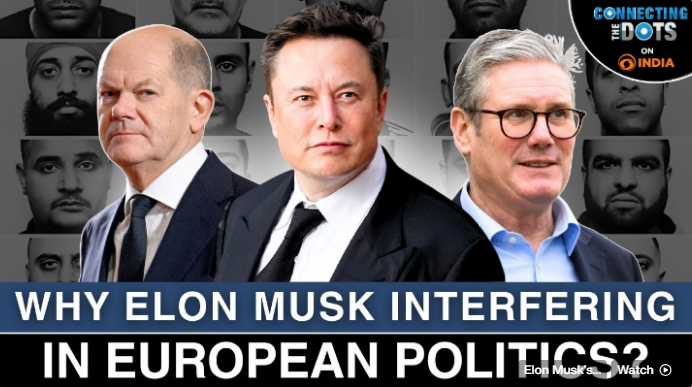
Elon Musk’s involvement in political matters has escalated significantly, raising concerns about the extent of his influence and its implications for democratic systems. While Musk has long been an active participant in political discourse, his recent actions have crossed into direct interference, particularly in the United States and Europe.
In the U.S., Musk’s political activities reached a new level during the 2024 presidential election. He became the largest donor to Donald Trump’s campaign, contributing over $250 million through a super PAC he established. Musk also launched a controversial initiative offering cash incentives to voters in swing states who signed petitions affiliated with his PAC, drawing criticism for what some saw as an attempt to manipulate voter behavior. Following Trump’s victory, Musk was appointed to co-lead the Department of Government Efficiency (DOGE), where he spearheaded aggressive budget cuts and agency overhauls, including disbanding entire federal departments and issuing ultimatums to civil servants. These actions have sparked legal challenges and growing disapproval among lawmakers and the public, with many questioning whether Musk’s influence is undermining governmental stability.
Internationally, Musk’s political interference has been particularly contentious in Europe. His vocal support for far-right parties like Alternative for Germany (AfD) during the 2025 German federal elections drew backlash from European leaders and businesses. Musk used his social media platform, X, to amplify AfD’s reach, boosting engagement with party leaders and defending their policies against accusations of extremism167. German officials, including Chancellor Olaf Scholz and Deputy Chancellor Robert Habeck, accused Musk of attempting to sway election outcomes, labeling his actions a threat to democracy. The fallout included several German companies severing ties with Musk and closing their accounts on X.
Musk’s interventions extend beyond electoral politics. He has openly criticized foreign leaders such as Canada’s Justin Trudeau and the UK’s Keir Starmer while promoting populist figures like Italy’s Giorgia Meloni and Argentina’s Javier Milei. His use of X as a platform to influence political narratives globally has raised alarms about the concentration of power in the hands of tech moguls and its impact on democratic processes67.
These actions highlight the unprecedented role Musk plays in shaping political landscapes across continents. Critics argue that his wealth and control over influential platforms allow him to bypass traditional checks on power, raising serious questions about accountability and the integrity of democratic institutions.
Money Over Innovation
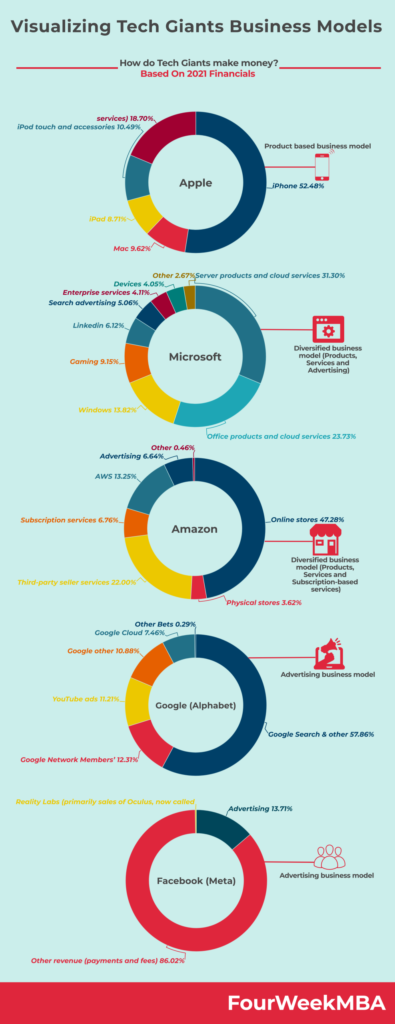
Elon Musk’s trajectory has shifted significantly in recent years, moving from a technology-driven visionary to a more financially and politically motivated figure. This transformation is evident in his approach to business and public policy, reflecting a departure from his earlier focus on technological innovation.
One of the clearest indicators of this shift is Musk’s increased involvement in political financing. In the 2024 U.S. presidential election, Musk emerged as a major donor to Donald Trump’s campaign, contributing an estimated $132 million to Trump and other Republican candidates. This level of financial involvement in politics represents a stark contrast to Musk’s previous stance, where he claimed to have voted for Democrats in past elections.
Musk’s acquisition and subsequent management of X (formerly Twitter) further illustrates this shift. While initially promising to make the platform “politically neutral,” Musk’s actions have instead aligned closely with right-wing political interests. He reinstated numerous suspended accounts, including those linked to hate speech and conspiracy theories, and lifted the ban on Donald Trump’s account1. These decisions appear to prioritize political alignment over the platform’s stated goals of reducing misinformation and promoting healthy discourse.
The tech mogul’s approach to government and regulation has also evolved. As leader of the ‘GE’ commission under the Trump administration, Musk has been instrumental in drastically reducing the size of certain government agencies and asserting new powers for the executive branch. This involvement in government restructuring goes beyond his previous tech-focused advocacy, suggesting a more direct interest in shaping policy to align with his ideological and potentially financial interests.
Musk’s recent business decisions also reflect a more money-driven approach. For instance, his support for cryptocurrency, particularly Dogecoin, has been seen by some as an attempt to manipulate markets for financial gain rather than a genuine belief in the technology’s potential. This contrasts with his earlier focus on developing revolutionary technologies in electric vehicles and space exploration.
However, it’s worth noting that this shift hasn’t necessarily translated into increased personal wealth. Tesla’s stock price, a significant portion of Musk’s fortune, has seen a 29% decline since Trump initiated DOGE, reducing the value of Musk’s stake from approximately $175 billion to around $123 billion. This suggests that Musk’s motivations may be more complex than simple financial gain, possibly reflecting a deeper ideological shift or a long-term strategy that prioritizes political influence over immediate financial returns.
This evolution in Musk’s approach has not gone unnoticed or uncriticized. Many, including prominent politicians like Bernie Sanders, have accused Musk of using his wealth and influence to shape policy for personal benefit. Critics argue that his increased political involvement and apparent ideological shift represent a concerning trend of wealthy individuals wielding disproportionate influence over democratic processes and public policy.
Visionary Yet Controversial Figure
Elon Musk’s contributions to technological innovation have undeniably shaped the modern world, with his ventures in electric vehicles, space exploration, and renewable energy garnering widespread acclaim. However, his recent forays into political affairs and social media manipulation have cast a shadow over these achievements, raising concerns about the responsible use of power and influence.
Musk’s innovations continue to address critical global challenges. Tesla’s electric vehicles and solar energy solutions are at the forefront of combating climate change, with the potential to significantly reduce carbon emissions1. SpaceX’s reusable rocket technology has dramatically lowered the cost of space access, opening new possibilities for scientific research and space exploration. These advancements have positioned Musk as a key figure in humanity’s technological progress.
However, Musk’s increasing involvement in political matters, particularly through his ownership of X (formerly Twitter), has drawn sharp criticism. His endorsement of far-right parties in Europe, such as the Alternative for Germany (AfD), has alarmed political leaders across the continent. European Commission officials have signaled that Musk’s planned livestream with AfD co-leader Alice Weidel could trigger legal scrutiny under the EU’s Digital Services Act if it “unfairly boosts” her ahead of Germany’s upcoming election.
Musk’s actions have united political factions in opposition to his interference. In the UK, parties across the political spectrum, including Labour, Conservatives, and the right-wing Reform Party, have urged reconsideration of ties with Musk. This rare show of unity underscores the severity of concerns about his influence on democratic processes.
The tech mogul’s political activities extend beyond Europe. In the United States, Musk has become a significant donor to Donald Trump’s campaign and has been appointed to lead a “Department of Government Efficiency” in the Trump administration. This direct involvement in governance raises questions about conflicts of interest and the appropriate role of tech billionaires in shaping public policy.
Critics argue that Musk’s actions represent a threat to democracy, with his vast wealth and control over influential platforms allowing him to bypass traditional checks on power. The Renew Europe Group in the European Parliament has called for urgent implementation of the Digital Services Act to hold platforms like X accountable for their role in shaping political narratives.
While Musk defends his actions as championing free speech, many see his interventions as self-serving and potentially destabilizing to democratic institutions. The contrast between his technological contributions and his political meddling highlights the complex legacy of one of the world’s most influential figures, raising important questions about the responsibilities that come with great wealth and power in the digital age.
Outcomes: Risks and Rewards
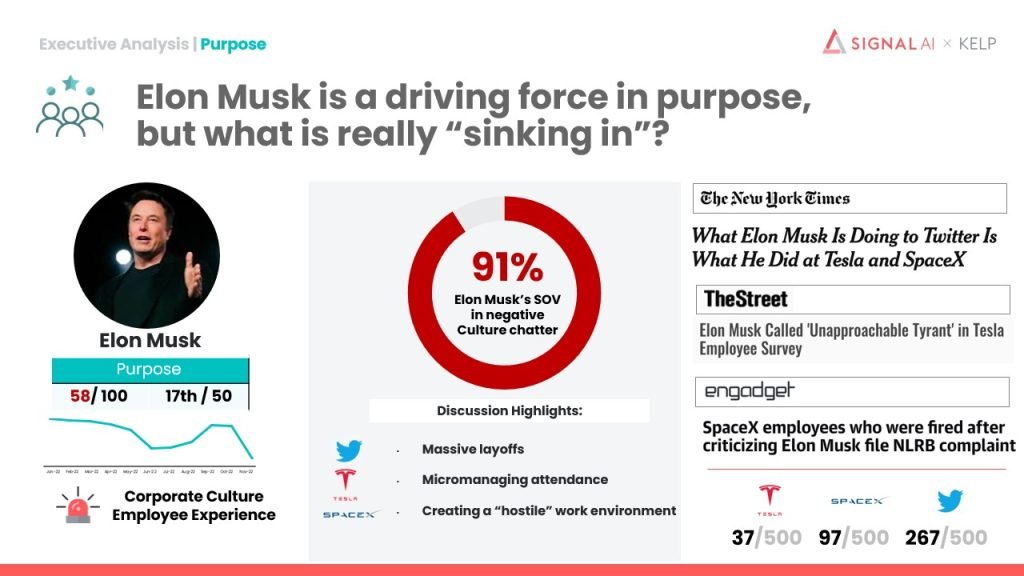
Elon Musk’s increasing involvement in politics and governance presents both potential negative and positive outcomes, with far-reaching implications for society, technology, and democracy.
Negative Outcomes:
- Erosion of Democratic Processes: Musk’s direct influence on elections and policy-making could undermine the principles of representative democracy. His ability to sway public opinion through X (formerly Twitter) and substantial campaign contributions may disproportionately affect electoral outcomes.
- Concentration of Power: The consolidation of technological, financial, and political power in the hands of a single individual raises concerns about checks and balances. This concentration could lead to unchecked decision-making that affects millions of lives without proper oversight.
- Increased Polarization: Musk’s support for far-right parties and controversial figures may exacerbate political divisions, both within nations and internationally. This could lead to further fragmentation of the global political landscape.
- Threat to Government Stability: Aggressive restructuring of government agencies, as seen in Musk’s role in the Department of Government Efficiency (DOGE), could disrupt essential services and undermine long-term governance structures.
- Data Privacy Concerns: Musk’s unprecedented access to government data through his leadership roles raises significant privacy and security concerns. The potential misuse of this information could have far-reaching consequences for individuals and national security.
Positive Outcomes:
- Government Efficiency: Musk’s approach to streamlining bureaucracy could potentially lead to more efficient government operations, reducing waste and improving service delivery.
- Technological Innovation in Governance: Musk’s tech-driven approach might introduce innovative solutions to long-standing government challenges, potentially modernizing outdated systems and processes.
- Increased Public Engagement: Musk’s high-profile involvement in politics could spark greater public interest and participation in political processes, potentially leading to a more engaged citizenry
- Acceleration of Sustainable Technologies: Musk’s political influence could potentially fast-track the adoption of sustainable technologies, such as electric vehicles and renewable energy, at a governmental level.
- Space Exploration Advancements: With greater political clout, Musk might be able to secure more support and funding for space exploration initiatives, potentially accelerating humanity’s progress in this field.
While these potential outcomes present a mixed picture, the ultimate impact of Musk’s political involvement will likely depend on how his influence is wielded and the response of democratic institutions and the public. The challenge lies in harnessing the positive aspects of his vision and capabilities while mitigating the risks to democratic norms and social cohesion.
Global Impact: Risks and Rewards
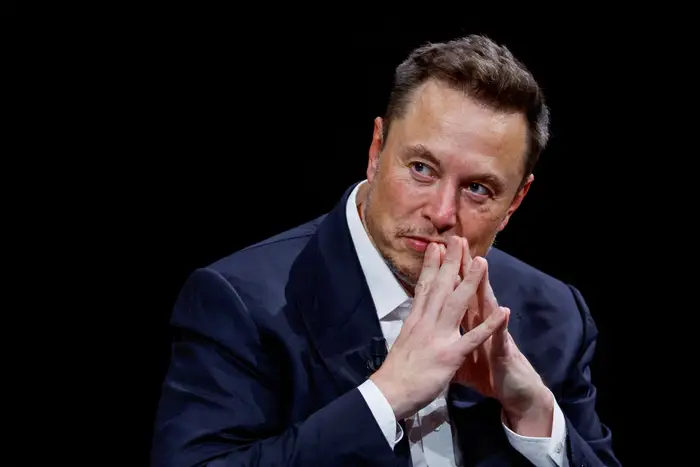
Elon Musk’s growing political influence and technological power present significant risks and potential rewards on a global scale, extending far beyond individual nations or regions.
Risks to the World:
- Destabilization of International Relations: Musk’s interventions in various countries’ politics could strain diplomatic ties and disrupt established international alliances. His support for far-right parties in Europe, for instance, has already drawn criticism from leaders across the continent.
- Exacerbation of Global Inequality: Musk’s wealth and influence could further concentrate power in the hands of a small global elite, potentially widening the gap between developed and developing nations in terms of technological access and political representation.
- Threat to Global Democracy: The model of a wealthy individual wielding significant political power across borders could inspire similar actions by other billionaires, potentially undermining democratic processes worldwide.
- Acceleration of Technological Disruption: While Musk’s companies drive innovation, rapid technological changes without adequate global governance structures could lead to widespread job displacement and economic instability across various sectors and countries.
- Potential for Global Data Misuse: Given Musk’s access to sensitive government data through his role in the U.S. administration, there’s a risk of this information being used to manipulate global markets or influence international politics.
Rewards to the World:
- Advancement of Sustainable Technologies: Musk’s political influence could accelerate the global adoption of electric vehicles and renewable energy technologies, potentially mitigating climate change on a global scale.
- Space Exploration and Colonization: SpaceX’s innovations in reusable rocket technology could make space travel more accessible, potentially leading to new scientific discoveries and even off-world colonization.
- Global Internet Connectivity: Projects like Starlink could provide internet access to underserved regions worldwide, potentially bridging the digital divide and fostering economic development in remote areas.
- Neurotechnology Breakthroughs: Neuralink’s brain-machine interface technology could lead to global advancements in treating neurological disorders and enhancing human cognitive capabilities.
- Efficiency in Global Governance: If successful, Musk’s approach to streamlining government operations could serve as a model for other nations, potentially leading to more efficient global governance structures.
The global impact of Musk’s actions highlights the increasing interconnectedness of technology, politics, and economics in the 21st century. While his innovations offer potential solutions to some of humanity’s most pressing challenges, the concentration of such immense power in the hands of a single individual poses significant risks to global democratic norms and international stability. The world’s response to this new paradigm of tech-billionaire influence will likely shape the future of global governance and technological progress for years to come.